

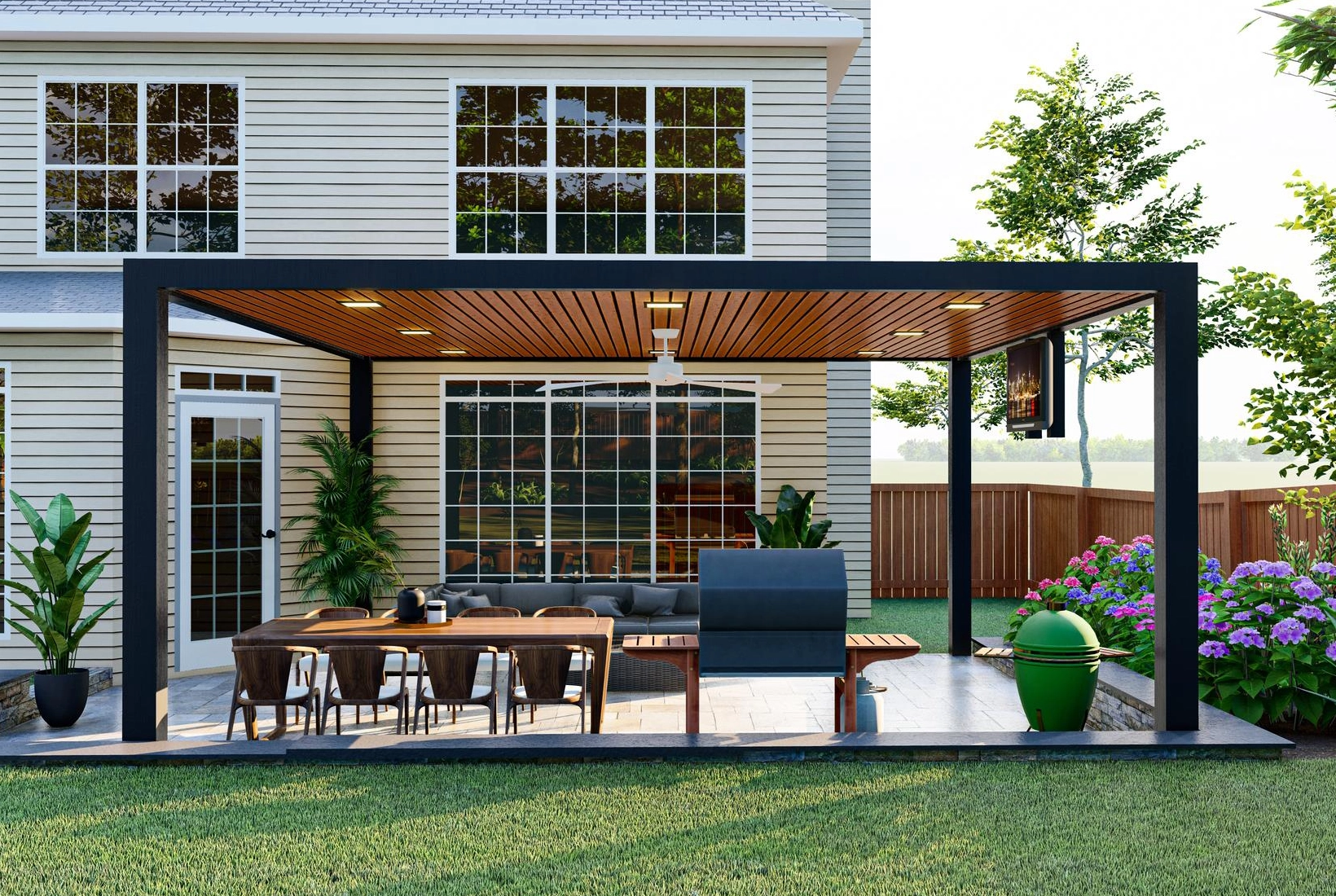
Composite decks offer durable and aesthetic solutions that blend the elegant texture of nature with modern technology. However, any material used in outdoor environments needs to be resistant to weather conditions to ensure longevity. Composite materials provide reliable, long-lasting performance against harsh environmental factors, especially with their superior durability in both hot and cold weather conditions. Here’s what you need to know about the performance of composite decks in extreme weather:
Durability of Composite Materials in Hot Weather
Hot weather conditions can have a significant impact on materials used outdoors, especially during the summer. Wood and other traditional materials often dry out, crack, and fade due to high temperatures. However, composite decks are highly resistant to hot weather thanks to advanced manufacturing techniques.
- UV Resistance: Composite materials are equipped with special protective layers that guard against UV rays, protecting them from the harmful effects of the sun. This minimizes issues like color fading and material degradation.
- Adaptability to Temperature Changes: Composite decks generally do not warp or deform under heat. They remain stable, even with long-term temperature fluctuations, ensuring safe use in your outdoor spaces.
- Heat Reflection: Compared to wood, composite decks absorb and emit less heat, keeping surface temperatures at more acceptable levels during hot summer months.
Performance of Composite Materials in Cold Weather
Cold weather conditions also pose challenges for outdoor materials. Freezing temperatures can cause traditional materials like plastic and wood to crack, break, or structurally degrade. However, composite materials perform excellently in cold conditions as well.
- Resistance to Low Temperatures: Composite decks do not risk cracking or breaking in extremely cold conditions. These materials maintain their elasticity and durability even in freezing temperatures.
- Resistance to Ice and Snow Accumulation: Snow or ice can cause slipping hazards with traditional materials. The non-slip surface of composite decks ensures safe use, especially in outdoor areas during the winter months.
- Long-Term Stability: Composite materials remain stable over time in cold weather. Extremely low temperatures do not affect the material’s structure or cause deformation.
Advantages of Composite Decks
- Low Maintenance: Composite decks require less maintenance than traditional wood materials in both hot and cold weather. There’s no need for painting or re-sealing.
- Environmentally Friendly: Composite materials are made from recyclable and environmentally friendly materials that leave a smaller environmental footprint. They provide a sustainable option for both hot and cold weather conditions.
The exceptional durability against both hot and cold weather makes composite decks an excellent choice for outdoor areas. Arewood composite materials can be safely used in all types of weather conditions. For those seeking both aesthetic appeal and long-lasting solutions, composite decks offer the perfect opportunity to transform outdoor spaces into stylish and durable areas.